
Average cost
£700–£1200
Typical range
£500–£1500
Species
Dog & Cat
Category
Ongoing/Chronic
Anaesthesia
Not required
How much does allergy treatment cost?
Allergy Treatment typically costs £700–£1200 in the UK, though prices can range from £500 to £1500 depending on your location, the practice, and your pet's individual circumstances.
Costs are UK averages based on publicly available data. Actual prices vary by practice, location, and animal size.
What affects the price?
| Factor | Impact on cost | Example |
|---|---|---|
| Type of allergy | Environmental allergies (atopy) tend to cost more to manage long-term than food allergies | A food allergy managed by diet change (£500–£800/year) vs atopic dermatitis needing ongoing medication (£1,000–£1,500/year) |
| Medication choice | Newer targeted therapies (Apoquel, Cytopoint) cost more than traditional steroids | Prednisolone (£100–£200/year) vs Apoquel (£500–£900/year) vs Cytopoint injections (£600–£1,200/year) |
| Diagnostic workup | Allergy testing and elimination diets add significant cost in the first year | Intradermal allergy testing (£200–£400) plus consultation fees in the diagnostic phase |
| Secondary infections | Skin and ear infections caused by allergies need additional treatment | Each ear infection episode adds £80–£200 for examination, swabs, and medication |
What's included in the price?
- Regular veterinary consultations for monitoring
- Ongoing prescription medication (e.g. Apoquel, Cytopoint, or steroids)
- Prescription or hypoallergenic diet if required
- Treatment of flare-ups and secondary infections
- Skin and ear check-ups
What to expect
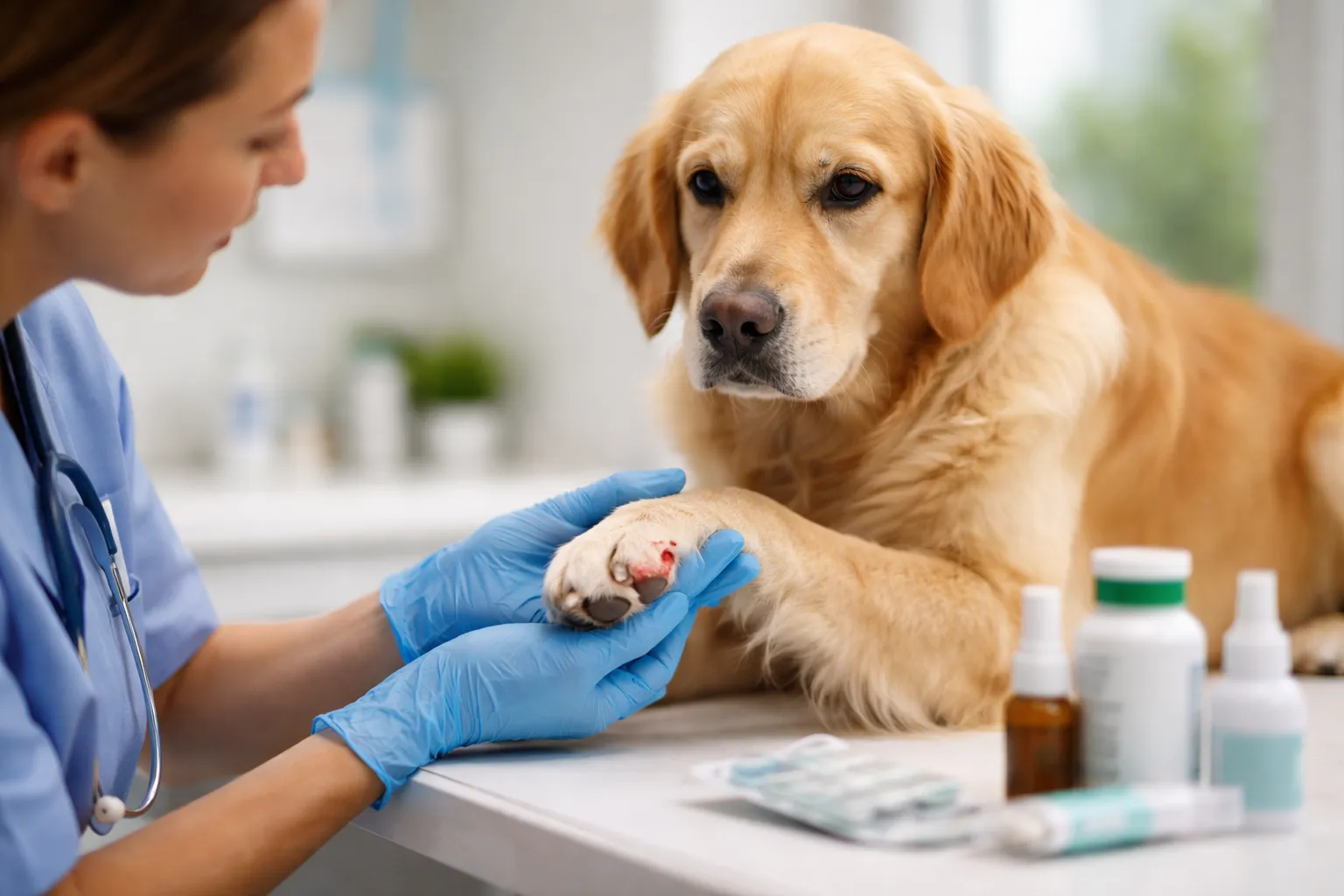
Allergy treatment is the ongoing management of allergic skin disease, food allergies, or environmental allergies (atopy) in pets. There is no cure for most allergies, so treatment focuses on controlling symptoms, reducing flare-ups, and maintaining quality of life. This typically involves a combination of medication, dietary management, and regular veterinary monitoring.
When is it needed? Your pet may need allergy management if they are persistently itchy, have recurrent ear infections, lick their paws excessively, develop red or inflamed skin, or suffer from chronic digestive upset. Allergies most commonly appear between 1 and 3 years of age and tend to worsen without treatment.