
Diagnosis cost
£200–£600
Treatment cost
£300–£6000
Ongoing cost
£50–£150 per month
Severity
Serious
Treatable
Manageable
Species
Dogs
What is hip dysplasia?
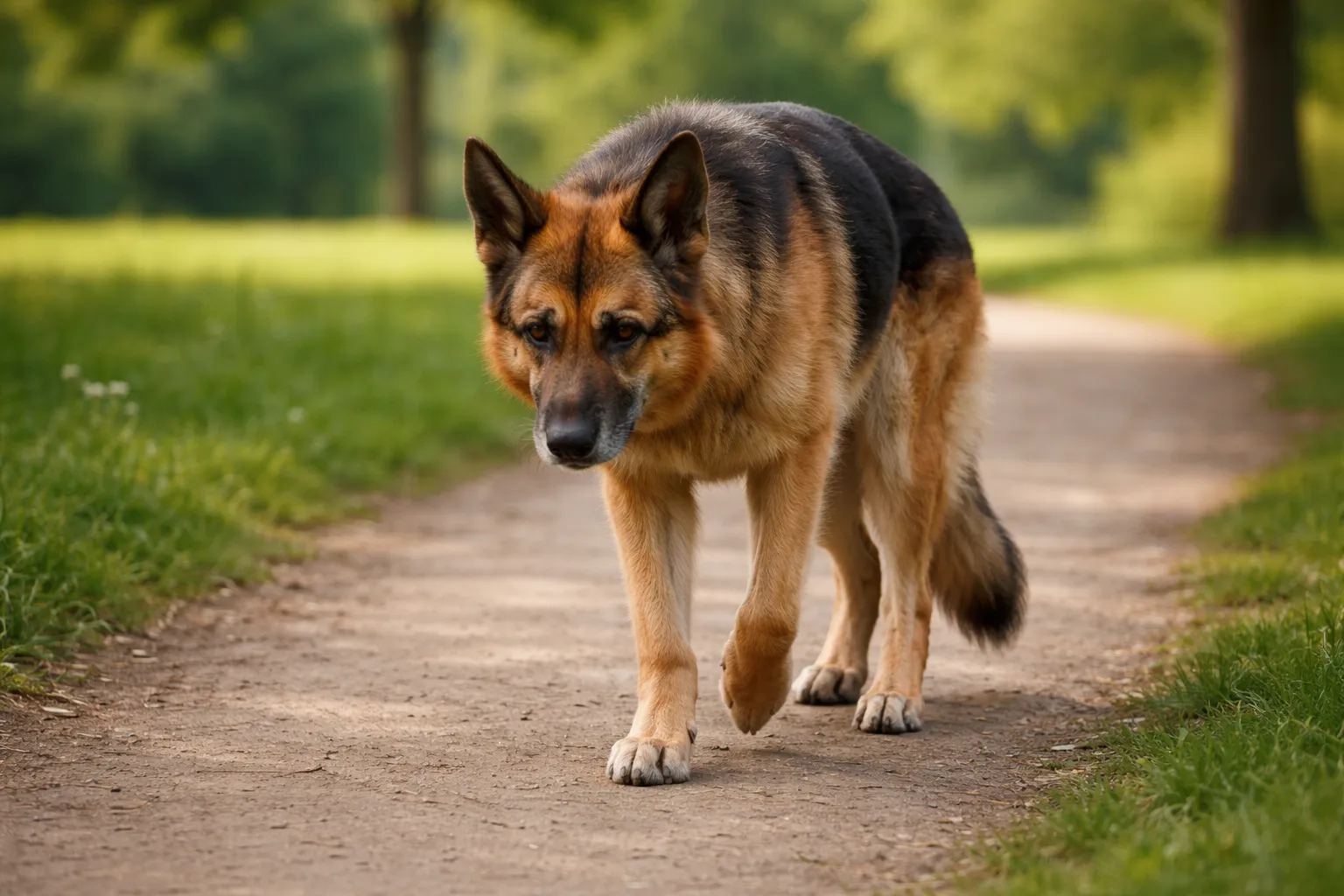
Hip dysplasia is a condition where the hip joint doesn’t develop properly, causing the ball and socket to fit together loosely. Over time this leads to wear, inflammation, arthritis, and pain. It’s one of the most common orthopaedic conditions in dogs, particularly medium to large breeds. While genetics play the biggest role, rapid growth, excess weight, and over-exercise in puppyhood can make it worse.
Symptoms to watch for
- Reluctance to exercise, climb stairs, or jump
- Stiffness after resting, especially in the morning
- Bunny-hopping gait when running
- Swaying or wobbling in the hindquarters
- Difficulty getting up from lying down
- Reduced range of movement in the hips
- Pain or yelping when the hip area is touched
- Muscle wasting in the hind legs
How is hip dysplasia diagnosed?
| Test | Typical cost |
|---|---|
| Consultation and physical examination | £35–£65 |
| Hip X-rays (under sedation) | £150–£400 |
| CT scan (if surgery is being considered) | £300–£600 |
Treatment options and costs
Conservative management (medication + weight control)
£50–£150 per month ongoingAnti-inflammatory medication, pain relief, weight management, controlled exercise, and joint supplements. Suitable for mild to moderate cases or dogs who aren’t good surgical candidates.
Femoral head and neck excision (FHNE)
£1,500–£3,000 per hipRemoves the ball of the hip joint, allowing scar tissue to form a false joint. More common in smaller dogs. Less expensive than total hip replacement but outcomes can be less predictable in larger breeds.
Total hip replacement (THR)
£4,000–£7,000 per hipReplaces the entire hip joint with a prosthetic. Gold-standard treatment for severe hip dysplasia in medium to large dogs. Performed by specialist orthopaedic surgeons; usually involves referral to a specialist hospital.
Ongoing costs
Estimated ongoing management cost
£50–£150 per month
monthly
Breeds most at risk
| Breed | Risk level |
|---|---|
| Labrador Retriever | High |
| German Shepherd | High |
| Golden Retriever | High |
| Rottweiler | High |
| Bernese Mountain Dog | High |
| French Bulldog | Moderate |
| Staffordshire Bull Terrier | Moderate |
Does pet insurance cover hip dysplasia?
Most lifetime pet insurance policies cover hip dysplasia diagnosis and treatment, including surgery, provided it develops after the policy starts and isn’t a pre-existing condition. Some insurers exclude hip dysplasia for the first 6–12 months of cover or require hip screening. Always check the specific exclusions on your policy. Claims for hip dysplasia treatment are among the highest-value orthopaedic claims in the UK pet insurance market.