
Diagnosis cost
£200–£400
Treatment cost
£500–£1500
Ongoing cost
£80–£150 per month
Severity
Serious
Treatable
Manageable
Species
Cats
What is diabetes?
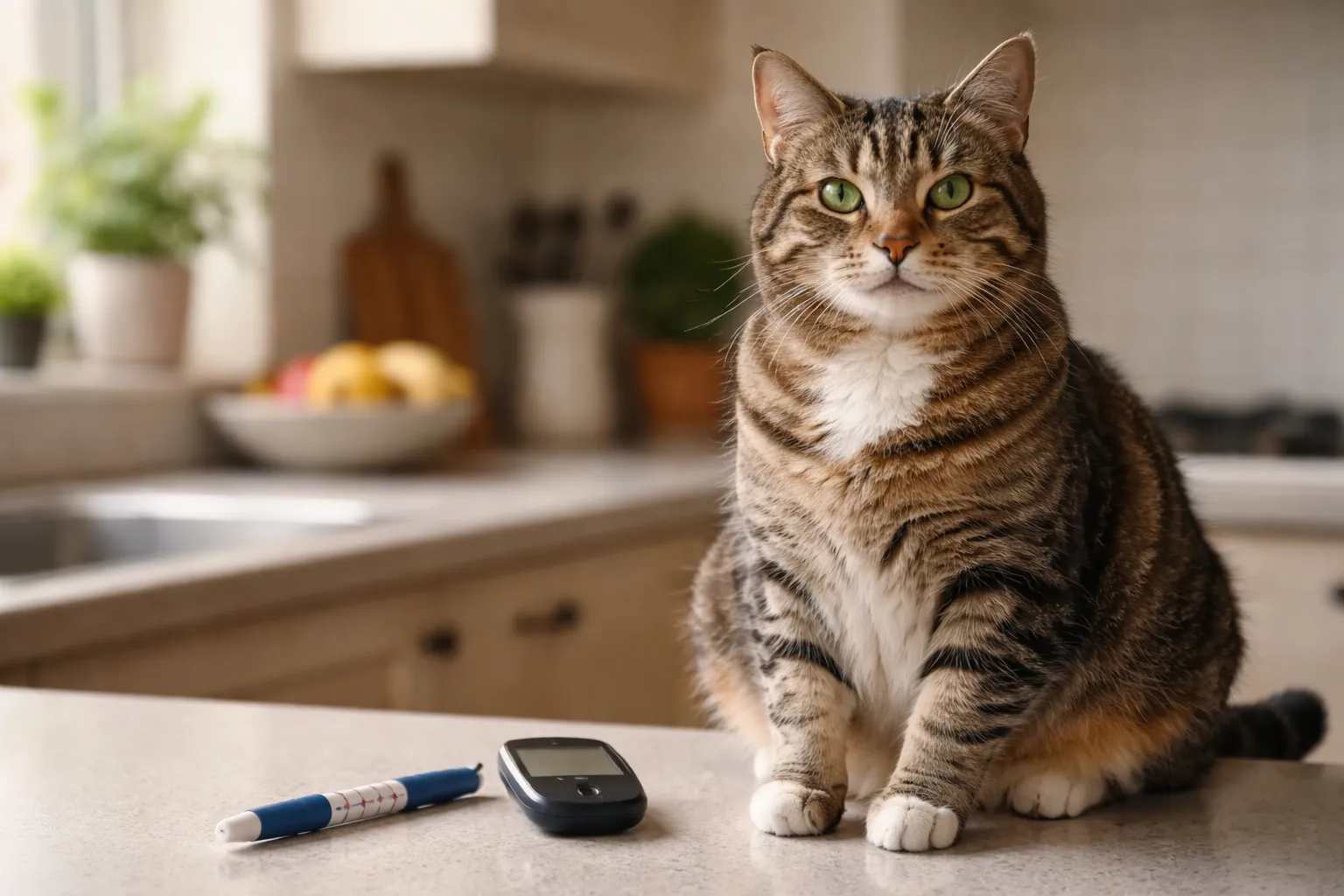
Diabetes mellitus in cats is most commonly Type 2, where the body’s cells become resistant to insulin and the pancreas can’t produce enough to compensate. This causes blood sugar levels to rise dangerously high. Unlike dogs, some cats can achieve diabetic remission with early, aggressive treatment and dietary management. Obesity is the single biggest risk factor, and Burmese cats are genetically predisposed. Without treatment, diabetes leads to weight loss, weakness, and a life-threatening condition called diabetic ketoacidosis.
Symptoms to watch for
- Increased thirst (polydipsia)
- Frequent urination (polyuria)
- Increased appetite despite weight loss
- Lethargy and reduced activity
- Poor coat condition or unkempt fur
- Walking flat on the hocks (plantigrade stance) – a sign of diabetic neuropathy
- Vomiting or loss of appetite (may indicate ketoacidosis – emergency)
How is diabetes diagnosed?
| Test | Typical cost |
|---|---|
| Blood test (glucose and fructosamine levels) | £100–£250 |
| Urinalysis (glucose and ketones) | £40–£80 |
| Blood glucose curve (serial monitoring over 12–24 hours) | £150–£350 |
Treatment options and costs
Insulin injections (twice daily) with monitoring
£80–£150 per month ongoingMost diabetic cats need twice-daily insulin injections given at home by the owner. Regular blood glucose monitoring (at home or in the clinic) is essential to adjust the dose. Many owners find the routine manageable once they’re taught the technique.
Dietary management (high-protein, low-carbohydrate diet)
£30–£60 per monthA prescription high-protein, low-carbohydrate diet is a critical part of treatment. In some cats, dietary change alone – combined with weight loss – can lead to diabetic remission, especially if caught early. Even cats on insulin benefit from the right diet.
Emergency treatment for diabetic ketoacidosis
£1,000–£3,000If diabetes goes undiagnosed or becomes uncontrolled, cats can develop ketoacidosis, a life-threatening emergency requiring hospitalisation with intravenous fluids, insulin, and intensive monitoring. This significantly increases the overall cost.
Ongoing costs
Estimated ongoing management cost
£80–£150 per month
monthly
Breeds most at risk
| Breed | Risk level |
|---|---|
| Burmese | High |
| Russian Blue | Moderate |
| British Shorthair | Moderate |
| Maine Coon | Moderate |
| Ragdoll | Moderate |
Does pet insurance cover diabetes?
Diabetes is covered by most lifetime pet insurance policies, which is important because treatment is ongoing and lifelong. The cost of insulin, needles, prescription diet, and regular blood tests adds up significantly over the years. Time-limited or maximum-benefit policies may run out before the condition is managed. Ensure the policy covers ongoing medication and monitoring, not just the initial diagnosis. Pre-existing diabetes will not be covered by a new policy.