
Annual vet cost
£400–£800
Lifespan
12–17 years
Size
Medium
Health risk
High
Species
Cats
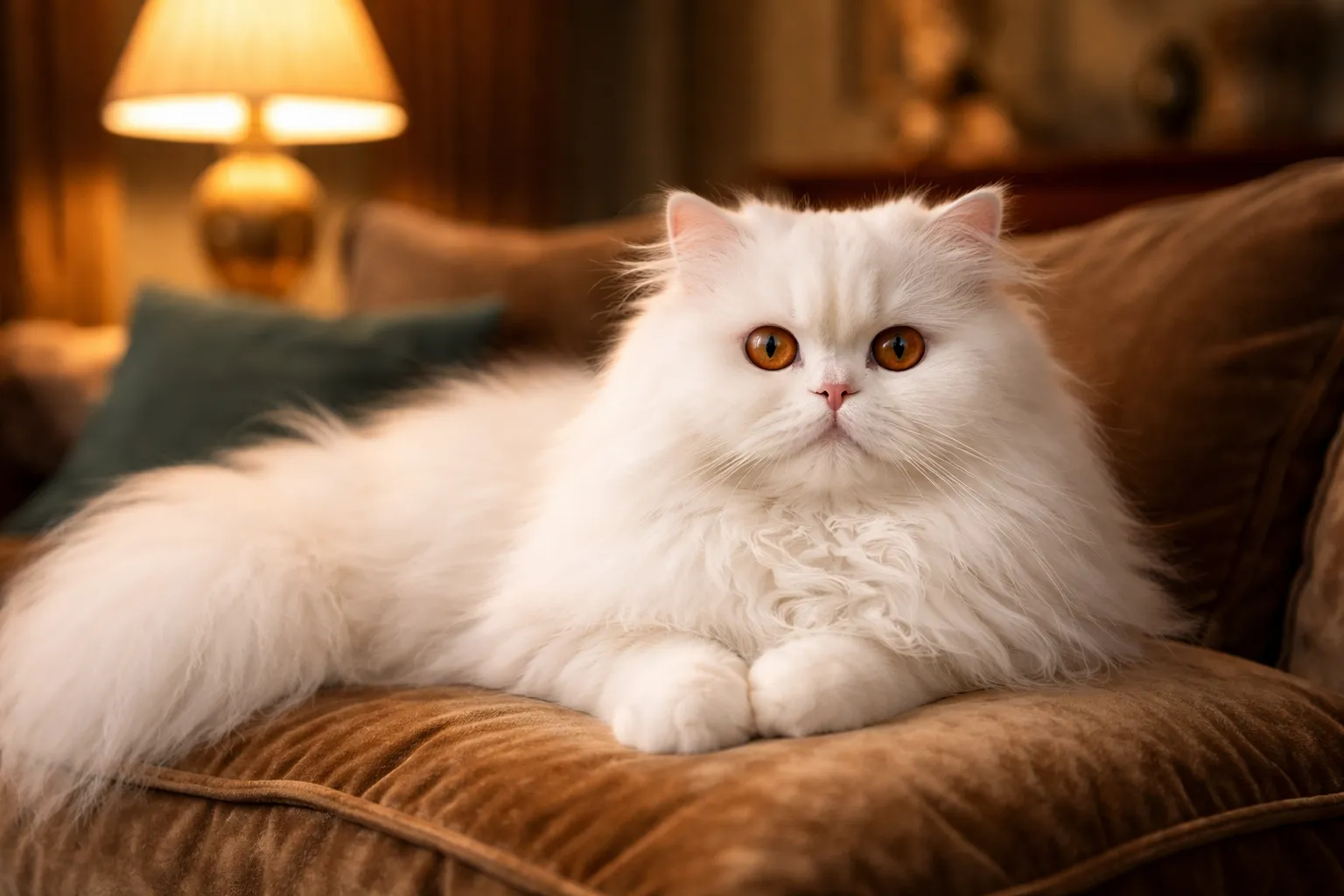
Persians are one of the most expensive cat breeds to maintain from a veterinary perspective, primarily due to their brachycephalic (flat-faced) anatomy. This facial structure causes a cascade of health issues: breathing difficulties, chronic eye problems from tear duct obstruction and corneal exposure, dental disease from jaw malformation, and skin fold infections. Polycystic kidney disease (PKD) is the breed's most serious hereditary condition, though DNA testing has helped responsible breeders reduce its prevalence. Their long, dense coat requires daily grooming and occasional professional attention. Pet insurance premiums for Persians are among the highest for cats, reflecting the breed's extensive health risk profile. Prospective owners should budget for above-average ongoing veterinary costs.
Typical vet costs for a Persian
| Treatment | Average cost | Notes |
|---|---|---|
| Annual Health Check | £35–£65 | Recommended annually; breathing and eye assessment essential |
| Flea Worm Treatment | £60–£120 per year | Monthly preventive treatment |
| Dog Dental Cleaning | £150–£350 | Under general anaesthesia; jaw structure increases dental disease risk |
| Eye Surgery | £500–£2,000 | May be needed for entropion, blocked tear ducts, or corneal ulcers |
| Blood Test | £80–£200 | PKD and kidney function screening strongly recommended |
Costs vary by location, practice, and your cat's individual needs. London and the South East are typically 20–40% higher.
Common health problems in Persians
Polycystic kidney disease (PKD) is the most significant hereditary condition in Persians, affecting up to 40–50% of the breed historically. A DNA test is available and responsible breeders screen for it. Affected cats develop cysts that progressively impair kidney function.
Typical treatment cost: £500–£3,000 per year
Persians' flat facial structure causes excessive tear production, blocked tear ducts, and corneal exposure. Chronic eye discharge, corneal ulcers, and entropion (inward-rolling eyelids) are all common and may need surgical correction.
Typical treatment cost: £300–£2,000
The shortened jaw of Persians leads to overcrowded and misaligned teeth, significantly increasing the risk of dental disease. Multiple cleanings and extractions are often needed throughout their lives.
Typical treatment cost: £300–£1,500
Skin fold dermatitis around the face, particularly in extreme flat-faced (peke-face) Persians, causes chronic irritation and infection. Daily cleaning and ongoing treatment may be required.
Typical treatment cost: £200–£800 per year
Persians can develop hypertrophic cardiomyopathy (HCM), and their brachycephalic anatomy can place additional strain on the heart. Echocardiogram screening is advisable.
Typical treatment cost: £800–£3,000
Lifetime vet cost estimate
Estimated lifetime vet spend for a Persian
£8,000–£22,000
Based on a 12–17 year lifespan, including routine care and common breed-specific conditions.
How to save on vet costs for your Persian
- 1. Compare prices. Vet costs for the same procedure can vary by 100%+ between practices. When Pawlee launches, you'll be able to compare prices near you instantly.
- 2. Consider insurance. For Persians, a lifetime policy is worth considering given the breed's predisposition to kidney disease cats. Expect premiums of around £25–£60/month.
- 3. Stay on top of preventive care. Annual check-ups, vaccinations, and flea/worm treatments cost far less than treating conditions that develop from neglect.
- 4. Ask about payment plans. Many practices offer interest-free payment plans for larger bills. Always ask before assuming you must pay everything upfront.