
Annual vet cost
£400–£750
Lifespan
12–15 years
Size
Large
Health risk
Medium
Species
Dogs
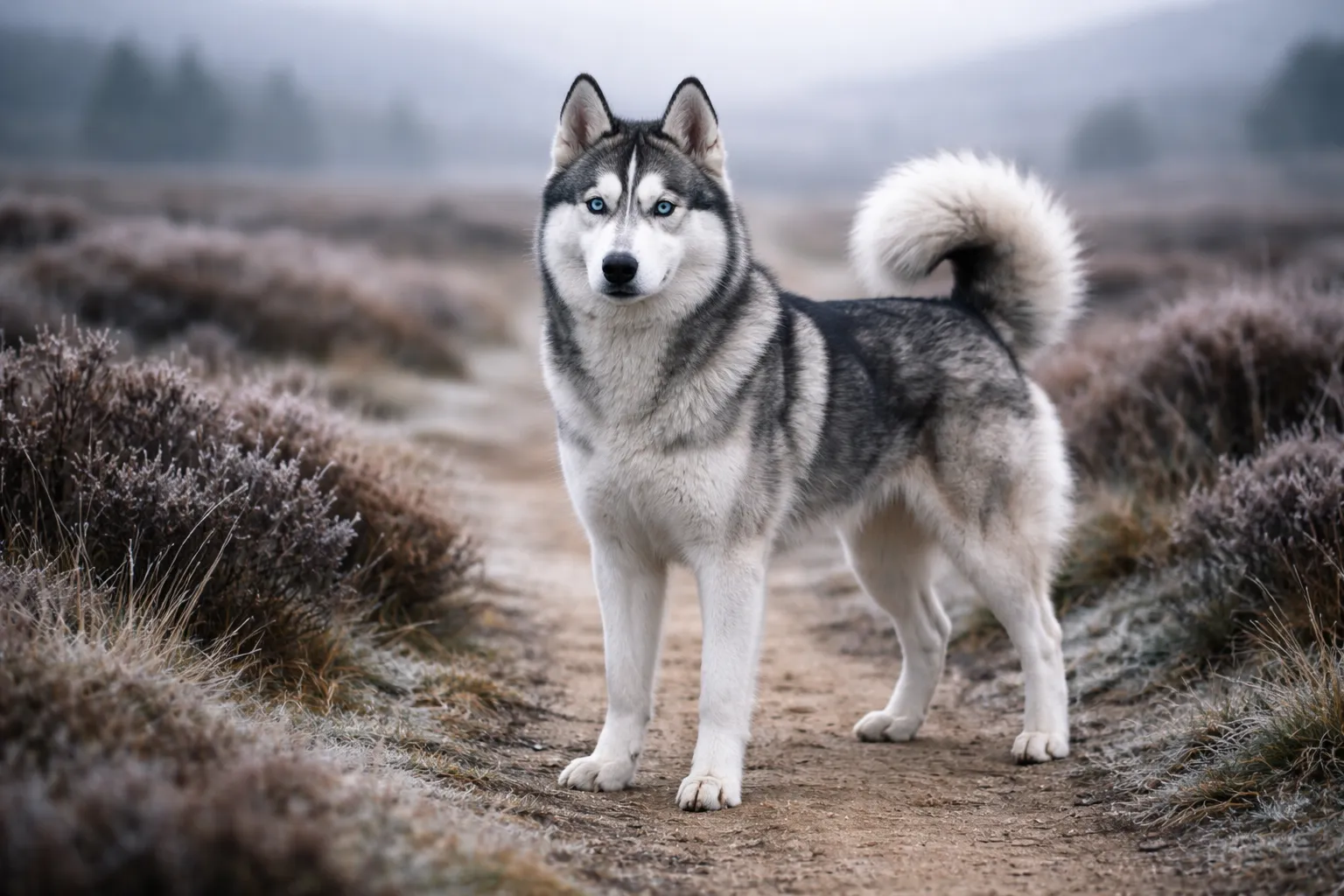
Siberian Huskies are athletic, resilient working dogs bred for endurance in harsh climates. They are generally healthier than many large breeds, with a notably long lifespan for their size. Their most significant hereditary concern is cataracts, which can appear at a young age and may require surgery to preserve sight. Hypothyroidism is another well-documented condition in the breed. Zinc-responsive dermatosis, a skin condition relatively unique to northern breeds, can cause crusty, scaly patches and requires zinc supplementation. Their thick double coat sheds profusely twice a year but is otherwise low-maintenance. Insurance premiums for Huskies are moderate, reflecting their generally sound health balanced against their large size and specific hereditary conditions.
Typical vet costs for a Husky
| Treatment | Average cost | Notes |
|---|---|---|
| Annual Health Check | £35–£65 | Eye examination should be included annually |
| Flea Worm Treatment | £90–£160 per year | Higher dose required due to size |
| X Ray | £150–£400 | May be needed for hip assessment |
| Blood Test | £80–£200 | Recommended from middle age to check thyroid function |
| Allergy Treatment | £200–£1,000 per year | Zinc-responsive dermatosis and other skin conditions may need ongoing care |
Costs vary by location, practice, and your dog's individual needs. London and the South East are typically 20–40% higher.
Common health problems in Huskys
Huskies have a moderate incidence of hip dysplasia. While less affected than some large breeds, screening of breeding stock is still recommended. Severe cases may need surgical correction.
Typical treatment cost: £1,500–£6,000
Hereditary cataracts are a well-known concern in Siberian Huskies, sometimes appearing as early as two to three years of age. Regular eye examinations can detect early changes before vision is significantly affected.
Typical treatment cost: £1,500–£3,500
Huskies are predisposed to hypothyroidism, which causes weight gain, lethargy, and coat changes. The condition is easily managed with daily thyroid hormone replacement but requires lifelong treatment.
Typical treatment cost: £200–£500 per year
Huskies can develop zinc-responsive dermatosis and other skin conditions, particularly in the UK climate. Symptoms include hair loss, crusting, and scaling, often around the face and paw pads.
Typical treatment cost: £300–£1,200 per year
Lifetime vet cost estimate
Estimated lifetime vet spend for a Husky
£8,000–£18,000
Based on a 12–15 year lifespan, including routine care and common breed-specific conditions.
How to save on vet costs for your Husky
- 1. Compare prices. Vet costs for the same procedure can vary by 100%+ between practices. When Pawlee launches, you'll be able to compare prices near you instantly.
- 2. Consider insurance. For Huskys, a lifetime policy is worth considering given the breed's predisposition to hip dysplasia dogs. Expect premiums of around £25–£60/month.
- 3. Stay on top of preventive care. Annual check-ups, vaccinations, and flea/worm treatments cost far less than treating conditions that develop from neglect.
- 4. Ask about payment plans. Many practices offer interest-free payment plans for larger bills. Always ask before assuming you must pay everything upfront.