
Annual vet cost
£300–£650
Lifespan
12–17 years
Size
Large
Health risk
Medium
Species
Cats
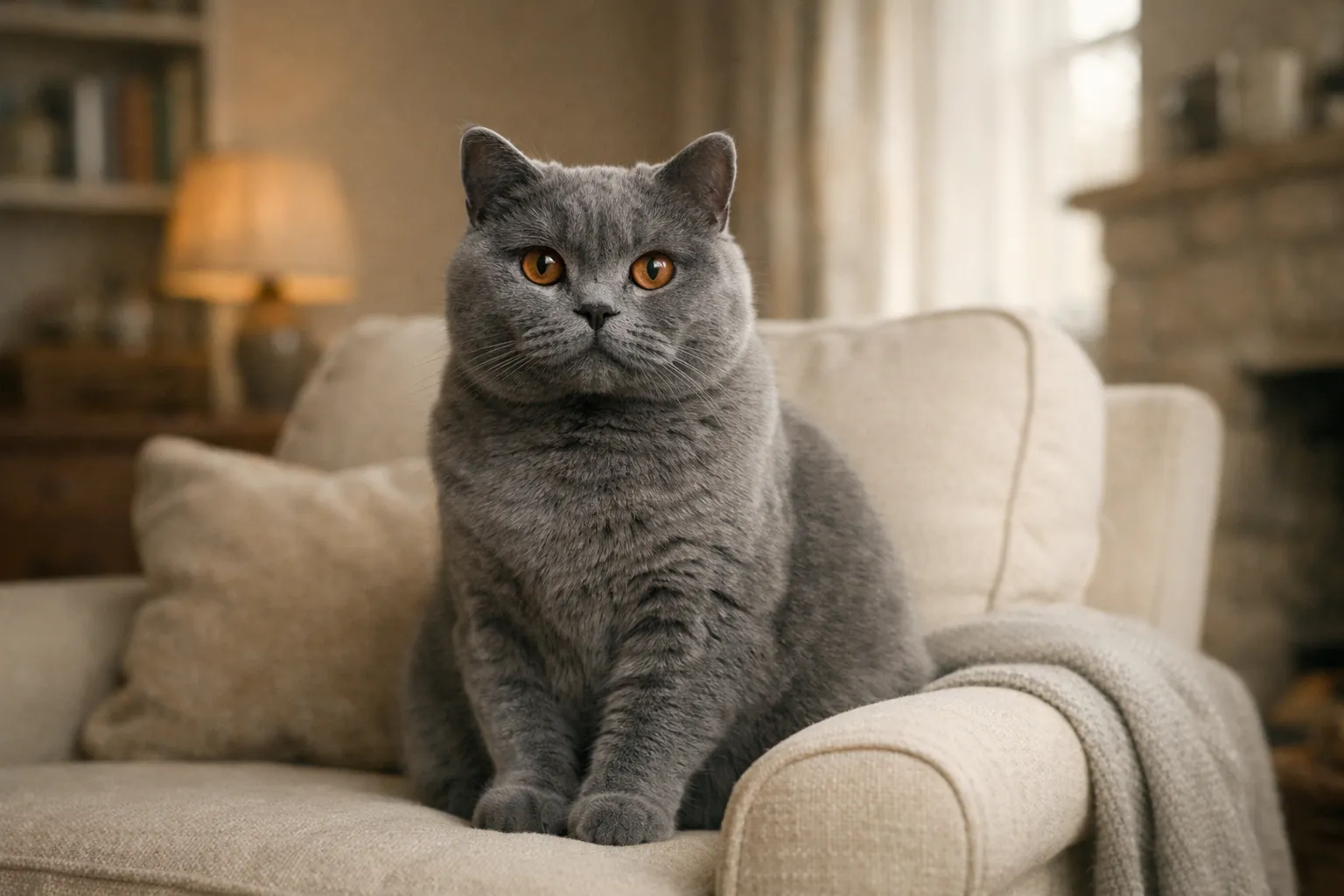
The British Shorthair is one of the UK's most popular pedigree cats, known for its stocky build and calm temperament. Their naturally heavy-set frame means owners must be vigilant about weight management, as obesity significantly increases the risk of diabetes and joint strain. Hypertrophic cardiomyopathy (HCM) is the most serious hereditary concern, and reputable breeders should screen breeding cats with echocardiograms. Veterinary costs are generally moderate, though ongoing management of chronic conditions such as kidney disease or diabetes in later life can add up. Pet insurance premiums for British Shorthairs sit in the mid-range for pedigree cats, and lifetime policies are strongly recommended.
Typical vet costs for a British Shorthair
| Treatment | Average cost | Notes |
|---|---|---|
| Annual Health Check | £35–£65 | Recommended annually; weight monitoring essential |
| Flea Worm Treatment | £60–£120 per year | Monthly preventive treatment |
| Dog Dental Cleaning | £150–£350 | Under general anaesthesia; prone to gingivitis |
| Blood Test | £80–£200 | Recommended annually from age 8 for kidney and diabetes screening |
| X Ray | £150–£400 | May be needed to assess heart size if HCM suspected |
Costs vary by location, practice, and your cat's individual needs. London and the South East are typically 20–40% higher.
Common health problems in British Shorthairs
British Shorthairs are predisposed to hypertrophic cardiomyopathy (HCM), a thickening of the heart muscle that can cause murmurs and, in severe cases, heart failure. Regular screening echocardiograms are advised.
Typical treatment cost: £800–£3,000
Chronic kidney disease is seen in older British Shorthairs, requiring ongoing monitoring, dietary management, and sometimes fluid therapy.
Typical treatment cost: £500–£2,500 per year
Their tendency to gain weight makes British Shorthairs more susceptible to feline diabetes, particularly in middle age. Twice-daily insulin injections and regular glucose monitoring are often needed.
Typical treatment cost: £800–£2,000 per year
British Shorthairs can be prone to gingivitis and periodontal disease, which may require professional dental cleaning and, in severe cases, tooth extractions.
Typical treatment cost: £300–£1,200
Lifetime vet cost estimate
Estimated lifetime vet spend for a British Shorthair
£6,000–£16,000
Based on a 12–17 year lifespan, including routine care and common breed-specific conditions.
How to save on vet costs for your British Shorthair
- 1. Compare prices. Vet costs for the same procedure can vary by 100%+ between practices. When Pawlee launches, you'll be able to compare prices near you instantly.
- 2. Consider insurance. For British Shorthairs, a lifetime policy is worth considering given the breed's predisposition to heart murmur dogs. Expect premiums of around £25–£60/month.
- 3. Stay on top of preventive care. Annual check-ups, vaccinations, and flea/worm treatments cost far less than treating conditions that develop from neglect.
- 4. Ask about payment plans. Many practices offer interest-free payment plans for larger bills. Always ask before assuming you must pay everything upfront.